

Waking Up With Heel Pain?
Waking up with sharp heel pain? Dr. Greg Brockbank at Lone Peak Foot & Ankle Clinic in Draper and Orem, UT, offers advanced treatments like custom orthotics and shockwave therapy to help you walk comfortably again.
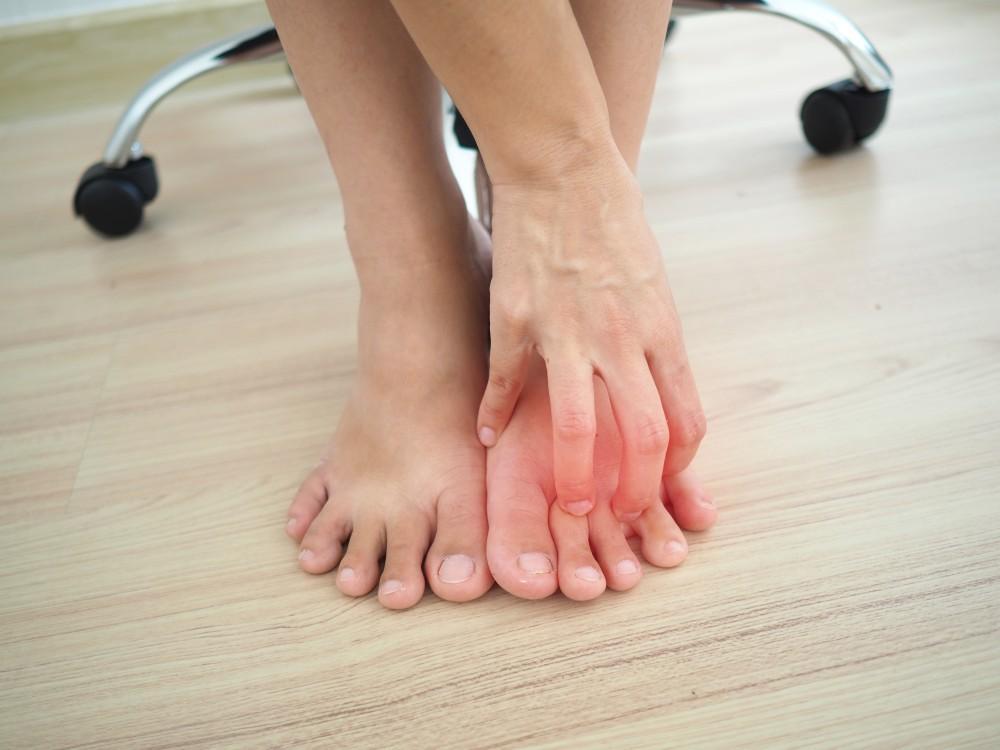
Have you noticed painful swelling in your toes, stubborn heel pain, or unexpected changes in your toenails? If you live with psoriatic arthritis (PsA), your feet might be bearing the brunt of the inflammation. Because your feet support your weight every single day, joint and tendon flare-ups can quickly turn simple daily steps into a challenge.
At Lone Peak Foot & Ankle Clinic, Dr. Greg Brockbank is here to support your mobility. Here is what you need to know about how psoriatic arthritis affects your feet and what steps you can take to feel better.
Psoriatic arthritis is an autoimmune condition targeting both skin and joints. In the feet, it typically shows up in a few key ways:
Severe inflammation can cause an entire toe to swell dramatically, resembling a small sausage. This makes squeezing into standard shoes painful and uncomfortable.
PsA often attacks entheses—the spots where tendons or ligaments attach to bone. In your feet, this frequently feels like Achilles tendinitis at the back of the heel or chronic plantar fasciitis along the arch and bottom of the foot.
Nail changes are very common with PsA. You might spot pitting, thickening, crumbling, discoloration, or separation from the nail bed (onycholysis), which easily mimics a fungal infection (like toenail fungus).
Inflammation in the small joints of the foot and ankle causes notable stiffness, especially when getting out of bed or standing up after resting. Left unmanaged, ongoing joint inflammation can eventually lead to joint deformities.
Managing PsA works best when your rheumatologist and a skilled foot specialist team up. Specialized podiatric treatments focus on alleviating pain, restoring ease of movement, and protecting your joint health:
Utilizing modern 3D digital scanners, custom orthotics cushion sensitive areas, redistribute pressure away from inflamed tendons, and align your foot properly.
Choosing shoes with a roomy toe box, solid arch support, and ample cushioning helps accommodate swelling and takes stress off aching joints.
Professional podiatric care gently manages thickened or dystrophy-affected toenails, keeping you comfortable and helping prevent secondary complications like ingrown toenails.
Physical therapy exercises, supportive taping, advanced shockwave therapy, or targeted steroid injections can help soothe localized tendon inflammation and restore mobility.
If psoriatic arthritis is causing foot or heel pain, don't wait for the symptoms to worsen. Early, proactive podiatric care is essential to protecting your joints and keeping you active.
Ready for relief? Contact Lone Peak Foot & Ankle Clinic today to schedule an appointment at our Draper (located in Lone Peak Hospital) or Orem (located in Timpanogos Hospital) location!


